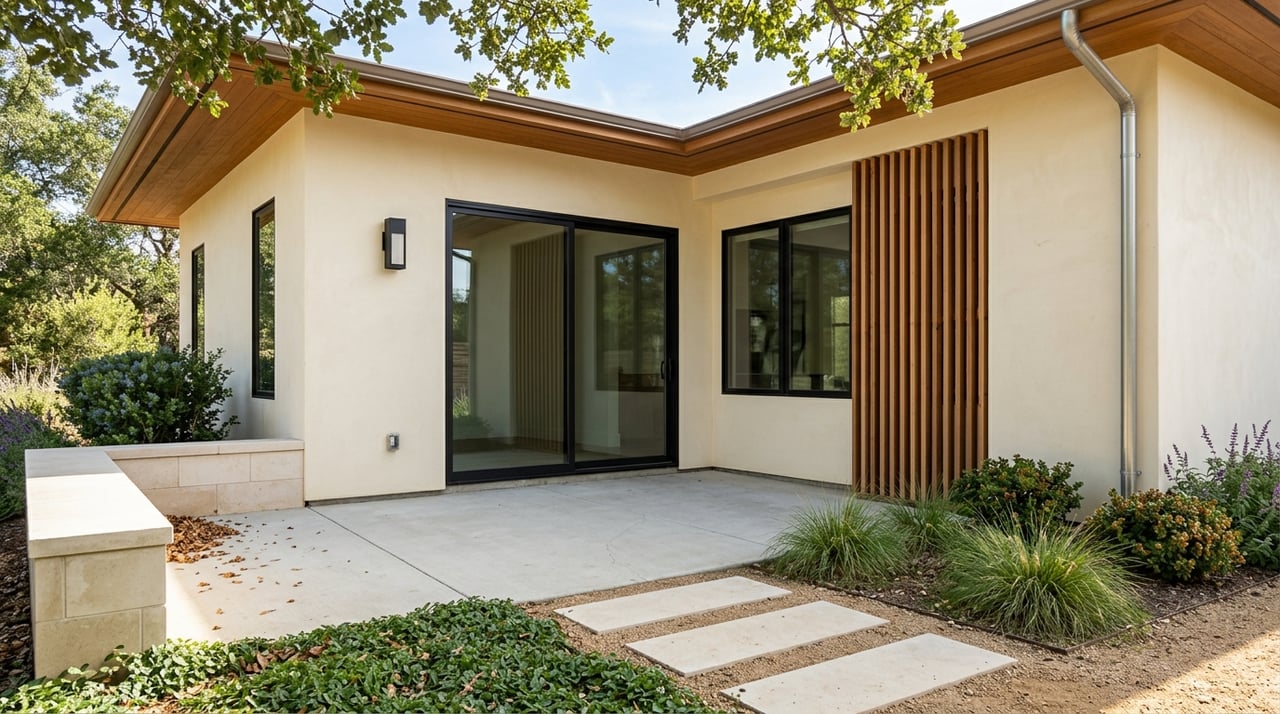
Sell Or Hold Your Walnut Creek Rental Property?
July 16, 2026
July 16, 2026
Wondering whether now is the right time to sell your Walnut Creek rental property or keep it a little longer? You are not alone. Many local owners are weighing strong home values, still-solid rents, California compliance rules, and the real cost of repairs before making a move. This guide will help you sort through the key factors so you can make a clearer, more confident decision. Let’s dive in.
Walnut Creek sits in a market where both home sales and rentals still matter. Redfin reported a median sale price of $949,432 for the three months ending May 2026, with homes selling in about 14 days and averaging roughly three offers. Zillow also shows a high-value market, with a typical home value of $1,047,421 and homes going pending in about 15 days.
On the rental side, Zillow reports average rent of $2,795, up $73 year over year, with 198 rentals available and a cool rental-market temperature. Census QuickFacts shows a median gross rent of $2,680, a 64.4% owner-occupied rate, and a median owner-occupied housing value of $1,057,300. Taken together, these numbers suggest a market with meaningful sale liquidity and meaningful rental demand.
In Walnut Creek, this decision is not just about price. It is also about property condition, tenant stability, legal compliance, and your long-term plan for the asset. A rental that looks good on paper can feel very different once you account for repairs, reserve costs, and management time.
That matters even more because Walnut Creek has an older housing stock. The city’s 2023-2031 Housing Element says 39.3% of local housing was built before 1970. If your property falls into that group, you may need to think carefully about maintenance planning before deciding to hold.
Selling can be the better path when your equity is strong and the property no longer fits your goals. In a market where homes are still moving quickly, some owners decide this is the right time to simplify, free up cash, or shift into a different investment.
You may lean toward selling if your rental needs major capital work. Big-ticket items like aging systems, deferred maintenance, or larger renovation needs can change the numbers fast. If the cost to keep the property competitive is high, a sale may be easier to justify.
Selling can also make sense if your current rent is far below what the property would need to earn to support repairs, reserves, and management. That does not automatically mean you should exit, but it is a sign to run the math carefully. In some cases, the after-sale proceeds may be more useful than waiting for future upside.
Holding can make sense if the property still works as a long-term asset. In Walnut Creek, rents remain relatively high, and home values remain high enough that future appreciation may still be part of the story.
If your rental cash flows after reserves, that is a meaningful point in favor of holding. The same is true if you have a stable tenant and a longer time horizon. In higher-value markets, some owners accept modest short-term cash flow because they are focused on asset preservation and long-term growth.
Holding may also be worth considering if you see a realistic path to improving income or flexibility. Walnut Creek notes that ADUs and JADUs are reviewed through the building permit process without public review. The city has also implemented SB 9 for eligible parcels, including duplexes and urban lot splits.
If you hold, you need to be ready for the compliance side of ownership. California’s Tenant Protection Act, AB 1482, caps most annual rent increases at 5% plus CPI or 10%, whichever is lower. It also adds just-cause eviction rules after 12 months.
There are common exemptions noted by the California Attorney General, including some single-family homes not owned or controlled by a corporation or REIT and units with a certificate of occupancy issued within the past 15 years. Even so, owners should not assume an exemption applies without checking the details. The practical issue is simple: rent strategy and timing are shaped by rules, not just market demand.
Walnut Creek’s city information also notes that AB 12 generally limits security deposits to one month’s rent. AB 1110 requires 90-day notice if a month-to-month rent increase is above 10%. The city also notes that AB 1482 expires January 1, 2030, and points owners to tenant-relocation support when low-income tenants are forced to move.
Before you list, it helps to think beyond your likely sale price. IRS guidance says depreciation reduces your basis in rental property, which can affect taxable gain and depreciation recapture when you sell. That means the headline number is not the same as your net result.
If you have a tenant in place, timing also matters. Notice requirements and relocation-related obligations can affect your sale plan, especially if the move forces a tenant to relocate. A strong sales market is helpful, but the best result usually comes from coordinating pricing, occupancy, and legal timing.
If you want to leave this property but stay invested in real estate, a like-kind exchange may be worth exploring. IRS guidance says a properly executed Section 1031 exchange can defer gain if you follow the required steps and use a qualified intermediary.
This can be useful if your real goal is not to cash out, but to reposition equity. For example, you may want less management, a different asset type, or a property with stronger income potential. In that case, the question may not be sell or hold, but sell and exchange.
If you are feeling stuck, start with the basics. Look at the property as it is today, not as you hope it will perform later. Then compare your realistic hold scenario to your realistic sale scenario.
Ask yourself these questions:
A practical framework often looks like this:
| If this is true | You may lean toward |
|---|---|
| Large repairs, weak net return, desire to simplify | Sell |
| Stable tenant, acceptable cash flow, long horizon | Hold |
| Want to stay in real estate but defer gain | Exchange |
| Need liquidity more than an exit | Refinance |
| The issue is time and administration | Professional management |
There is no one-size-fits-all answer for a Walnut Creek rental property. For some owners, the right move is to capture equity while the sales market remains active. For others, the better choice is to keep a well-located asset, improve operations, and stay invested for the long run.
The key is to focus on your after-tax, after-repair, after-management return. That is usually where the real answer shows up. When you evaluate the property through that lens, the next step often becomes much clearer.
If you want help thinking through your options for a Walnut Creek rental, from selling to property management to investment strategy, reach out to Russ Darby for clear, local guidance.
Stay up to date on the latest real estate trends.


Put our experience to work for you.