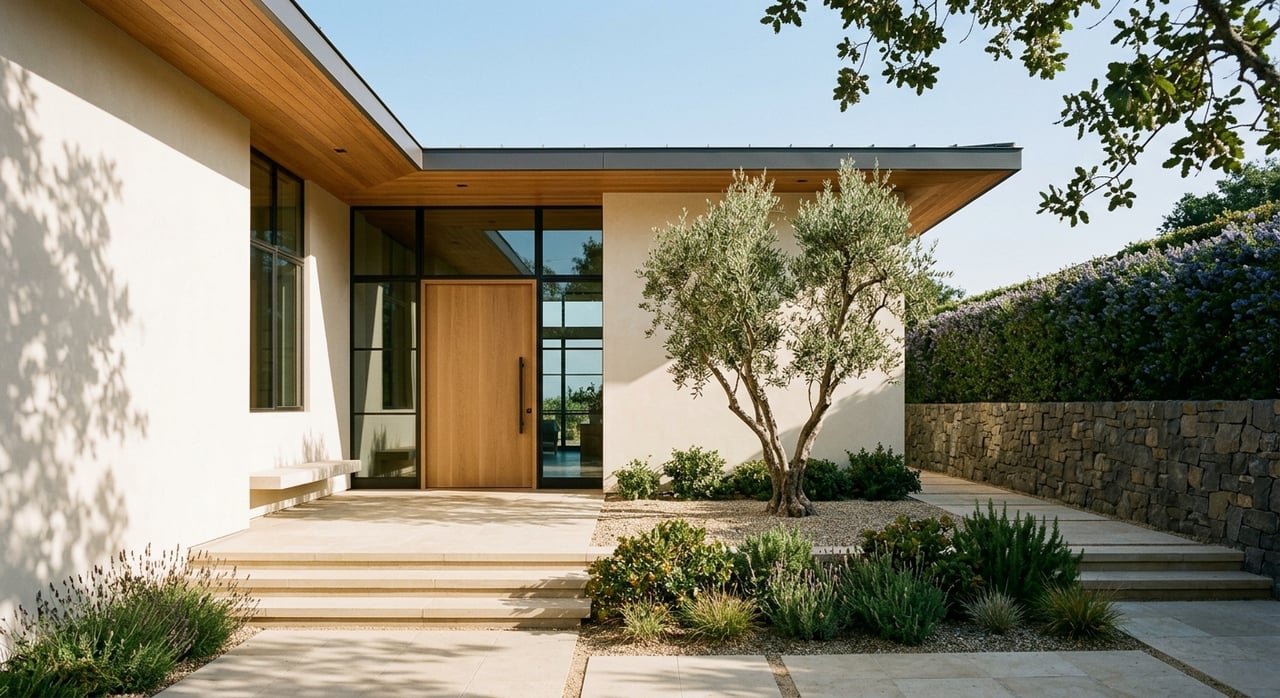
Diablo Estates vs Danville and Alamo: Which Fits You?
July 9, 2026
July 9, 2026
If you are weighing Diablo against Danville and Alamo, you are probably not just comparing square footage. You are comparing privacy, setting, daily rhythm, and the kind of home environment that fits your life now and years from now. This guide will help you understand how these three East Bay communities differ in character, housing feel, and lifestyle so you can make a more confident decision. Let’s dive in.
Diablo stands apart because it is small, historic, and highly specific. Contra Costa County describes it as an unincorporated community on the western slopes of Mount Diablo, east of Alamo and northeast of Danville, with about 400 homes and around 900 residents. The setting is defined by large lots, mature oaks, and a long-established country-club backdrop.
If you want a community that feels intimate and legacy-oriented, Diablo is the clearest fit of the three. Its scale alone creates a very different experience from the broader housing choices you will find in Danville or the larger residential footprint of Alamo. In practical terms, Diablo often appeals to buyers who value privacy, space, and a more self-contained environment.
Diablo developed in the early 1900s, and that history still shapes the community today. County materials note that the Diablo Historic District covers the entire area, and the housing stock includes a variety of architectural styles rather than one uniform tract-home pattern. Historic examples include English Tudor homes, along with architect-designed estates, summer cottages, and homes that have been expanded or rebuilt over time.
That architectural variety gives Diablo a layered feel that can be hard to replicate. Instead of reading like a conventional subdivision, it feels like a place that evolved gradually. For buyers comparing premium homes, that can make Diablo especially compelling if you are drawn to properties with individuality and a sense of continuity.
Official descriptions emphasize elegant homes, large lots, mature trees, historic structures, and private roads. That combination contributes to a quiet, estate-style atmosphere that feels less like a typical suburban neighborhood and more like a tucked-away residential enclave.
There are also local details that reinforce that identity. Community governance includes the Diablo Community Services District for security and infrastructure maintenance, and the Diablo Municipal Advisory Council for land-use matters. The Diablo Property Owners’ Association also notes that residents use P.O. boxes rather than USPS home mail delivery, and that the post office, country club, and neighborhood events play a central role in daily life.
Diablo’s appeal is strong, but it is also specialized. Narrow streets can limit parking, which matters for access and day-to-day logistics, and the community’s private-road character creates a different operating rhythm than a more typical town setting. If you love the idea of a historic estate community with a close-knit feel, those tradeoffs may feel worthwhile.
For some buyers, that specificity is the whole point. Diablo is not trying to be the most amenity-rich or the most varied in housing quantity. Its value is in its distinct setting, scale, and identity.
Danville is an incorporated town with a broader and more amenity-rich housing market than Diablo. The Town says Danville covers 18 square miles and is known for its historic downtown, restaurants, art galleries, parks, trails, and civic arts venues. If Diablo feels intimate and insulated, Danville feels more expansive and multi-dimensional.
That difference shows up in the housing stock. Danville’s General Plan describes areas with large lots, older ranch-style homes, newer hillside estates, and executive housing, with architecture ranging from contemporary Craftsman to French Chateau and Southern Colonial. That wider range means buyers often have more options in Danville across style, lot configuration, and neighborhood setting.
One of Danville’s clearest advantages is its established downtown environment. The Town describes a historic downtown with shops, restaurants, art spaces, parks, and civic venues, and its planning documents identify Hartz Avenue and the surrounding core as a pedestrian-oriented area with retail, dining, historic buildings, and public gathering places.
If walkable amenities and an active town center matter to you, Danville offers the most visible option of the three communities. Prospect Park Plaza, the library, Community Center, Veterans Memorial Building, Museum of the San Ramon Valley, and the Village Theatre and Art Gallery all add to that civic and lifestyle mix. Compared with Diablo, Danville gives you a more town-centered daily experience.
Danville may be the better fit if you want premium housing without narrowing yourself to one highly specific community type. Some areas retain a rural feel with large lots and remnants of former orchards, while others deliver newer executive-style housing and private amenities such as tennis courts and pools.
That flexibility can matter when you are balancing architecture, commute patterns, access to restaurants and shopping, or simply the desire for more inventory choice. In a Diablo versus Danville comparison, Danville often wins on variety and convenience, while Diablo wins on exclusivity and historic estate character.
Alamo, like Diablo, is unincorporated, but its identity is different. Contra Costa County describes Alamo as a county-served community with advisory structures rather than a town government, and planning materials note that much of the area is made up of single-family ranch-style homes on relatively large lots.
That means Alamo can offer some of the spaciousness buyers are often looking for when they consider Diablo. At the same time, its housing character is generally more ranch-oriented and more broadly residential, rather than centered on a historic estate district. If Diablo feels more singular, Alamo tends to feel more relaxed and more conventional in its overall residential pattern.
Alamo’s commercial center is focused around Danville Boulevard and Stone Valley Road, where county materials note shopping centers, office buildings, civic uses, and housing. It is a meaningful convenience layer, but it is smaller and less destination-driven than Downtown Danville.
For some buyers, that balance works well. You still have access to everyday services and a community hub, but the overall tone remains residential and lower profile. Compared with Diablo, Alamo may feel less insulated, but compared with Danville, it may feel less downtown-oriented.
In many ways, Alamo lands between Diablo and Danville. County descriptions highlight wooded hillsides, well-maintained parks, comfortable residential neighborhoods, and estates on large rural tracts. That creates a setting that can feel spacious and calm without being as historically defined or as tightly bounded as Diablo.
If you are drawn to larger lots and a quieter atmosphere but do not need Diablo’s very specific estate-community identity, Alamo can be an appealing middle ground. It offers room and a strong residential feel, while still connecting well to nearby amenities.
If privacy is your top priority, Diablo is usually the standout. Its small size, private-road setting, mature landscaping, and limited housing count make it feel the most exclusive of the three communities.
Alamo also offers space and lower-density housing in many areas, but at a much larger scale. Danville can certainly offer large lots and premium enclaves too, though its broader town structure creates a different overall experience.
Danville leads when it comes to visible public amenities and a defined downtown experience. It has the largest concentration of shops, restaurants, civic venues, parks, and programmed gathering spaces.
Alamo provides a smaller but useful commercial node, while Diablo is the least driven by public commercial amenities. In Diablo, the draw is less about downtown access and more about the setting itself.
Diablo is the most intimate and specialized. Danville is the largest and most varied. Alamo falls in between, with a strong residential identity and a more modest convenience base.
That rhythm matters because it shapes how your home life feels. Some buyers want energy and options close at hand, while others want calm, space, and a more tucked-away environment.
All three communities share a strong connection to Mount Diablo and the surrounding open-space landscape. California State Parks notes that summit views can extend more than 100 miles in all directions, and access points on the Danville side and in Alamo show how closely these communities are tied to the mountain.
That shared backdrop is part of what makes this part of Contra Costa County so appealing. Whether you choose Diablo, Danville, or Alamo, you are buying into a hillside and valley setting shaped by oaks, trails, and proximity to one of the East Bay’s most recognizable natural landmarks.
If you want a historic estate enclave with around 400 homes, large lots, architectural variety, and a private, legacy-driven feel, Diablo is in a category of its own. It is the most intimate and distinctive choice, and it tends to suit buyers who want privacy and a highly specific community identity.
If you want the widest selection of premium housing and the strongest downtown lifestyle, Danville usually offers the most flexibility. It combines neighborhood variety with a more active public-facing core.
If you want large-lot living and a wooded residential feel with a smaller commercial center nearby, Alamo may offer the balance you are looking for. It often appeals to buyers who want space and convenience without choosing either extreme.
When you are comparing luxury homes in Diablo, Danville, and Alamo, the right answer usually comes down to how you want to live every day, not just what looks best on paper. If you want experienced local guidance on how these communities compare home by home and street by street, connect with Russ Darby to request a home valuation or start your search.
Stay up to date on the latest real estate trends.


Put our experience to work for you.