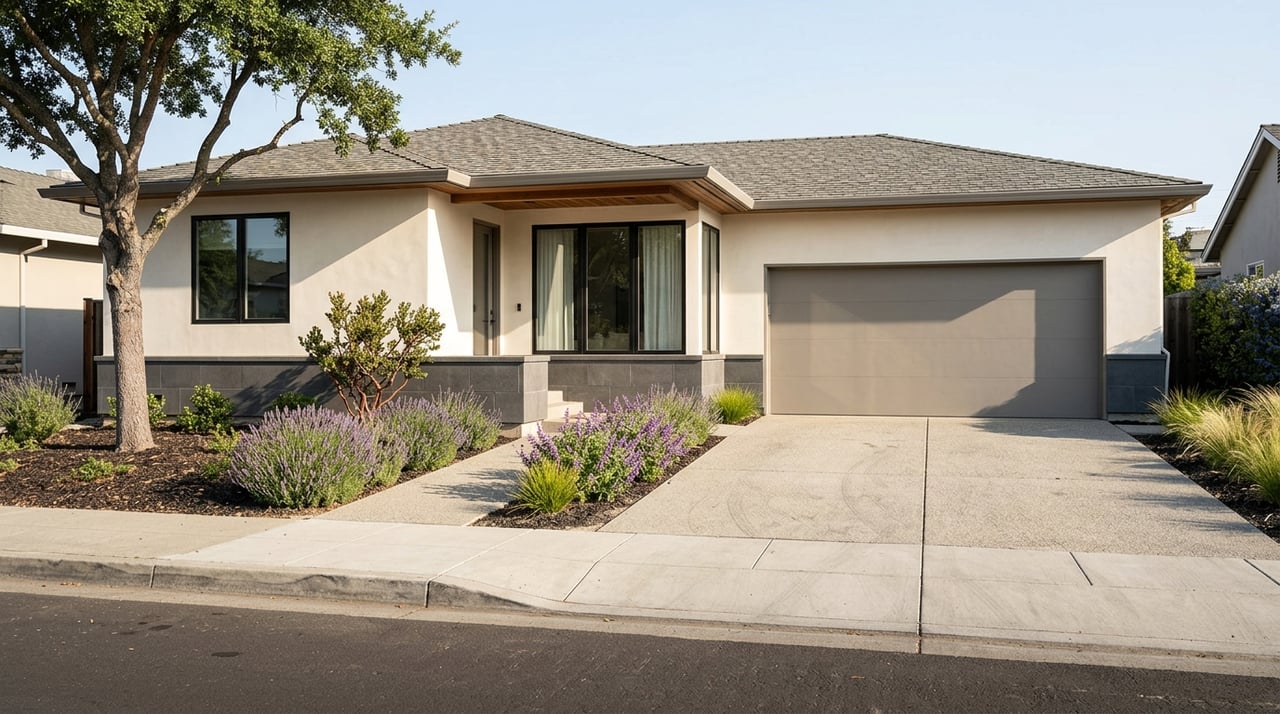
East vs West Dublin Housing: Which Side Fits You?
June 25, 2026
June 25, 2026
Trying to choose between East Dublin and West Dublin? You are not alone. Many buyers narrow their search to Dublin, then realize that one side of town may fit their daily routine, housing preferences, and budget a little better than the other. This guide breaks down how East and West Dublin differ in housing, commute patterns, and lifestyle so you can focus on the areas that match your goals. Let’s dive in.
East Dublin and West Dublin are common real estate terms, but they are not official city boundaries. They are better understood as buyer shorthand for two different development patterns within Dublin.
On the east side, the city’s Eastern Dublin Specific Plan covers the large growth area east of Camp Parks. On the west and central side, the Downtown Dublin Specific Plan and nearby transit-oriented areas help describe the more built-out, mixed-use part of the city around West Dublin BART and downtown.
East Dublin is generally the newer-growth side of town. The city’s planning documents show this area was designed to add a large amount of housing, with a mix of home types and densities.
The official plan area covers about 3,300 acres and projects 13,950 homes at buildout. The city also notes that about 58% of the new housing units are single-family in character, though many are on smaller lots to support affordability and a broader range of housing options.
You will often see a mix of condos, townhomes, newer detached homes, and single-story options in East Dublin. Higher-density housing has generally been placed in flatter areas with fewer environmental constraints and closer to commercial centers.
West Dublin has a different feel because it is more established and more built out. Instead of large-scale expansion, much of the housing activity here tends to come from redevelopment, replacement, or expansion of existing uses.
The city’s Downtown Dublin Specific Plan describes downtown as largely built out. That means new housing and mixed-use projects often fit into an existing urban pattern rather than a new master-planned area.
West Dublin housing still includes a range of property types, including single-family homes, townhouses, and condos. For many buyers, the draw is less about new construction and more about location, access, and an established downtown setting.
If you are deciding based on housing stock alone, East Dublin often appeals to buyers who want newer neighborhoods and a more master-planned layout. West Dublin often appeals to buyers who want a more established setting with closer access to downtown and transit.
Recent market snapshots show West Dublin with a median sale price of about $1.53 million and about $642 per square foot. East Dublin came in at about $1.36 million and about $608 per square foot. Homes also moved faster in West Dublin, averaging about 8 days on market, compared with about 25 days in East Dublin.
Those numbers are useful, but they should be treated as directional. Month to month, the mix of condos, townhomes, and detached homes can shift, which can change neighborhood medians quickly.
For wider context, Zillow placed Dublin’s home value index at about $1.29 million as of May 31, 2026. Bay East’s May 2026 detached single-family report showed Dublin’s median detached sale price at about $1.52 million, roughly $682 per square foot, and about 24 days on market.
In most cases, East Dublin will feel newer. That is because the eastern plan area is still associated with more recent growth, planned densities, and neighborhoods that developed later than much of the west side.
West Dublin, by contrast, tends to feel more established. Because it is more built out, newer projects are usually part of an infill or redevelopment pattern rather than a large expansion area.
If you are drawn to newer-construction communities, East Dublin may rise to the top of your list. If you prefer an area with more of an existing downtown framework, West Dublin may feel like the better fit.
Dublin has two BART stations, which is one reason both sides of town remain appealing to commuters. The Dublin/Pleasanton station is at Demarcus Boulevard and Iron Horse Parkway, while the West Dublin/Pleasanton station sits at the south end of Golden Gate Drive.
Both stations serve the Dublin/Pleasanton to Daly City line. So for many buyers, the real question is not whether you can use BART, but which station is closer to your property and daily route.
West Dublin has a clear advantage for buyers who want to be closer to the West Dublin/Pleasanton station and the surrounding downtown transit-oriented environment. East Dublin can be a strong fit if you want access to the Dublin/Pleasanton station and the neighborhoods tied more closely to the city’s eastern growth areas.
West Dublin often stands out for buyers who want a more downtown, pedestrian-friendly environment. The city describes Downtown Dublin as a commercial and mixed-use center, and the area around West Dublin BART is closely tied to that transit-oriented pattern.
The Downtown Dublin Specific Plan has also eliminated parking requirements in its transit-oriented district. That planning choice supports a more compact, walkable development pattern over time.
If your ideal routine includes easier access to downtown shops, services, and transit, West Dublin may align well with your lifestyle. The convenience factor is often one of the biggest reasons buyers start their search there.
West-side amenities cluster around Downtown Dublin and nearby commercial areas. The city highlights shopping areas such as Dublin Place, Dublin Retail Center, Shamrock Village, Village Parkway, Village Square and Valley Plaza, and Amador Plaza Road.
The city also points to broader west and central shopping and dining nodes such as Hacienda Crossings, Persimmon Place, Grafton Station, and Ulferts Center. That creates a fairly wide spread of retail options through the west and central parts of the city.
East Dublin has its own retail strength, centered more on newer commercial areas. The city highlights Fallon Gateway, which includes major retailers like Target, Dick’s Sporting Goods, and PetSmart, along with Tivoli Plaza.
If outdoor recreation is high on your list, East Dublin may stand out. The city highlights Emerald Glen Park, which offers reservable picnic areas, and Fallon Sports Park, described by the city as its premier sports facility.
Dublin also says it has more than 24 neighborhood and community parks, sports fields, and open-space areas across the city. That means both sides offer access to recreation, but the east side often feels more directly connected to newer park and sports amenities.
Connectivity also matters here. Dublin Crossing is planned with direct access to the Iron Horse Regional Trail and links to Dublin/Pleasanton BART, and the city has been improving the Iron Horse Trail connection across Dublin Boulevard.
West Dublin tends to carry more of the city’s established civic and historic feel. Dublin Heritage Park & Museums is a ten-acre park with historic buildings, lawns, a historic cemetery, and picnic areas.
The Kolb House information also places an old ranch site on the west end of Amador Valley. For buyers who appreciate a setting with visible ties to local history and an older civic core, this can shape how West Dublin feels compared with newer parts of town.
The best side of Dublin depends on how you live, not on a simple ranking. These areas differ more in housing mix, development age, amenity patterns, and transit orientation than in overall desirability.
East Dublin may be a better match if you want:
West Dublin may be a better match if you want:
If you are actively shopping in Dublin, it helps to compare homes by micro-location instead of relying only on broad east-versus-west labels. A property’s distance to BART, shopping, parks, and major routes may matter more than the side of town written in a listing search.
It also helps to compare like with like. A newer townhome in East Dublin and an established single-family home in West Dublin can serve very different priorities, even if their list prices look similar at first glance.
When you view homes, pay attention to your daily pattern. Drive the route to BART, check the nearby retail and park options, and think about whether you want a newer planned setting or a more established downtown-centered one.
If you want help narrowing the right fit in Dublin or anywhere in the East Bay, Russ Darby can help you compare neighborhoods, evaluate current pricing, and move forward with confidence.
Stay up to date on the latest real estate trends.
Put our experience to work for you.