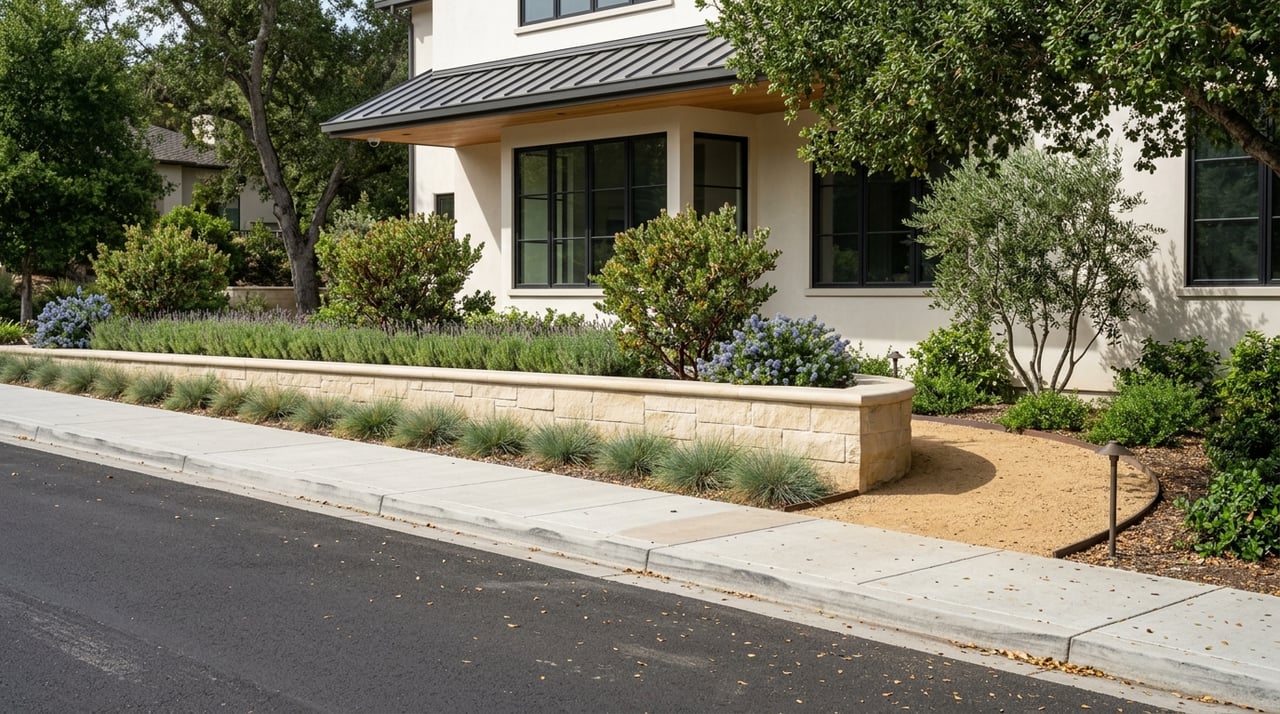
Blackhawk HOA Amenities Buyers Should Review
July 2, 2026
July 2, 2026
Thinking about buying in Blackhawk? The gates, open space, and polished streets can create a strong first impression, but the ownership details matter just as much as the home itself. If you want to understand what the HOA actually covers, what amenities may cost extra, and which documents deserve a close review before closing, this guide will help you buy with more confidence. Let’s dive in.
Blackhawk is a distinct, owner-heavy community where shared costs can play a meaningful role in your monthly ownership picture. According to U.S. Census data, Blackhawk had 9,637 residents in the 2020 Census, with 88.6% owner-occupied housing in the 2019 to 2023 American Community Survey. The same survey reported a median owner-occupied home value of $1,948,900 and a median household income of $239,681.
That context matters because in a higher-cost market, HOA dues are not a small side note. They can affect your carrying costs, your budgeting, and how you compare one property to another.
The Blackhawk Homeowners Association describes itself as a mutual-benefit not-for-profit corporation incorporated in 1978. It covers 2,027 home sites accessed through four gates and is governed by a five-member board with on-site management.
For most buyers, the master HOA is best understood as support for shared infrastructure and community operations. The association states that it maintains common areas, private roads, parking lots, gates and entry structures, parkland, sports fields, and privacy services.
The HOA also says it coordinates assessment collection and accounting, and it subcontracts landscape maintenance and facility repair for the common areas it is responsible for. It also maintains some landscape work on Blackhawk Road.
Just as important is what the HOA does not cover. The association states that it does not maintain private homes, and it does not handle private-property maintenance, repairs, or pest control.
That means your dues generally support things like:
One of the biggest buyer mistakes in Blackhawk is assuming every nearby neighborhood falls under the same master HOA. That is not always the case.
The Blackhawk HOA identifies Saddleback, Tennis Villas, Silver Oak, and Hidden Oaks as part of the broader Blackhawk area, but not members of the master HOA. If you are comparing homes in the area, you should confirm the exact parcel and association before assuming the same rules, dues, or services apply.
This step can affect more than cost. It can also affect architectural rules, document packages, and which shared areas or services apply to the property you are buying.
This is one of the most important distinctions for Blackhawk buyers. HOA dues are not the same thing as country club access.
Blackhawk Country Club is a separate entity from the HOA. Its membership materials advertise two 18-hole golf courses, two racquet facilities with 17 tennis courts and 10 pickleball courts, a 10-lane heated pool, a 10,000-square-foot fitness and wellness center, two clubhouses, dining venues, bocce, and multiple membership categories.
If those lifestyle features are important to you, ask early whether the home purchase includes anything related to club membership, or whether that would be a separate decision and expense. In most cases, buyers should expect golf, racquet sports, swim, fitness, and dining privileges to be tied to separate club membership rather than the master HOA fee.
Beyond HOA dues and any optional club membership, Blackhawk also has separate public-service layers that may affect ownership costs. These are easy to overlook if you focus only on mortgage, taxes, and HOA fees.
A recent Contra Costa County financial summary for the Blackhawk Police District showed revenue from parcel tax, property tax allocation, and contributions from the HOA and Country Club. Blackhawk GHAD is another independent public agency, formed in 1986 to address landslide hazards, and it publishes annual reports and budget information.
For you as a buyer, the practical takeaway is simple. Review the full property cost structure, not just the list price and base HOA dues.
California law gives buyers in common-interest developments access to important association documents. For a Blackhawk purchase, these records can help you understand both current costs and future obligations.
Under California Civil Code section 4525, a seller must provide the buyer with key association materials, including governing documents, the most recent annual budget report, a true statement of current assessments and unpaid charges, unresolved violation notices, and if requested, the prior 12 months of approved non-executive board minutes.
Other California Civil Code sections add more useful context. Section 5300 requires the annual budget report to include reserve and insurance disclosures. Section 5310 requires the annual policy statement to address collection and enforcement policies, dispute resolution, discipline, and approval requirements. Section 5550 requires a reserve study with a visual inspection of major components at least every three years.
These documents are not just administrative paperwork. They can help you understand whether dues appear stable, whether reserves seem thoughtfully planned, and whether the association has active issues or patterns worth a closer look.
In a community like Blackhawk, architectural consistency and overall appearance are part of the ownership experience. That makes the governing documents especially important.
California Civil Code section 5975 states that CC&Rs are enforceable equitable servitudes. Section 4350 says operating rules must be written, within the board’s authority, consistent with law and the governing documents, adopted in good faith, and reasonable.
For you, that means the rules attached to a property can directly affect how you use and maintain it. If you are planning changes to landscaping, parking habits, leasing, or exterior updates, review the rules carefully before you close.
If you are buying with renovation ideas in mind, do not wait until after closing to ask how approvals work. In Blackhawk, exterior and architectural review can be a major part of ownership.
California Civil Code section 4765 requires a fair, reasonable, and expeditious approval process for these requests. It also requires written decisions, reasons for denials, reconsideration rights, and annual notice of the approval procedures.
That does not mean your plans will or will not be approved. It does mean you should compare your goals for the property against the association’s review standards as early as possible.
Before you move forward on a Blackhawk home, keep this checklist handy:
In a market like Blackhawk, details matter. A home can look like a perfect fit at first glance, but the best purchase decisions come from understanding the full ownership picture.
When you are buying in a community with layered fees, architectural standards, and separate amenity options, local guidance can save you time and reduce surprises. If you want experienced help evaluating a Blackhawk property and its ownership details, connect with Russ Darby.
Stay up to date on the latest real estate trends.
Put our experience to work for you.