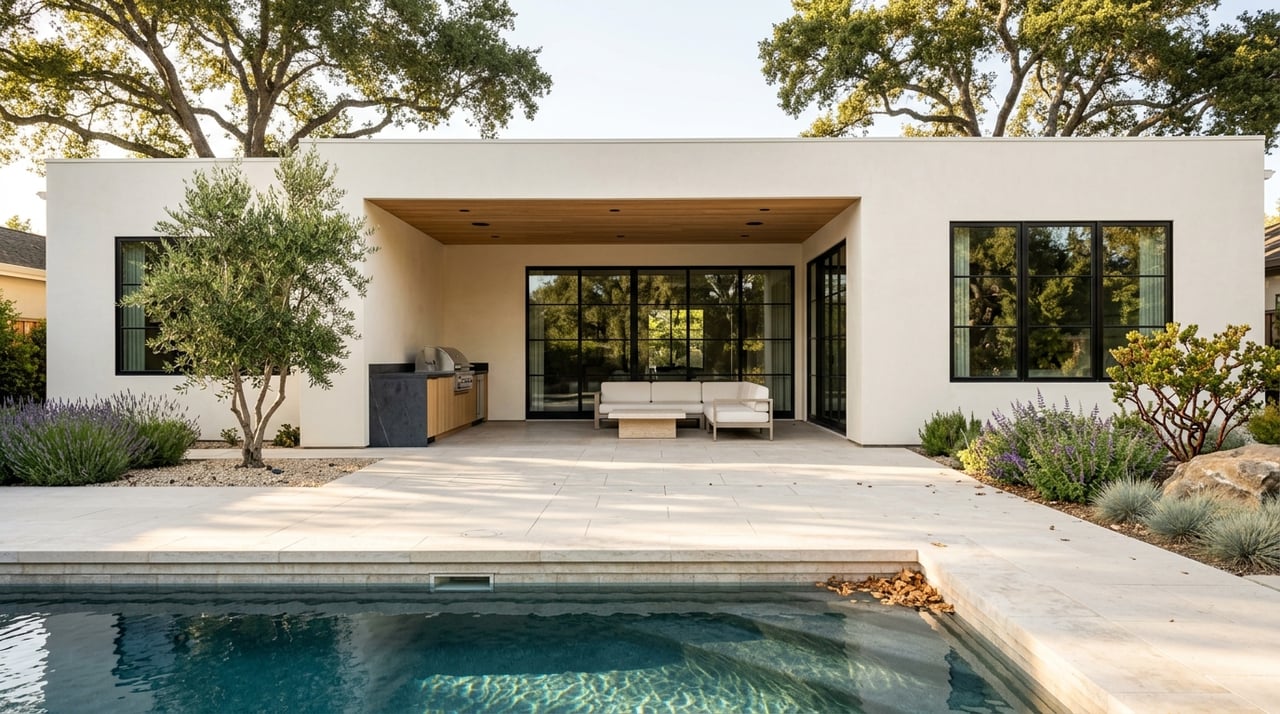
Lamorinda Neighborhood Guide: Orinda, Lafayette, or Moraga?
June 11, 2026
June 11, 2026
Trying to choose between Orinda, Lafayette, and Moraga? You are not alone. These three Lamorinda communities share rolling hills, strong outdoor access, and a well-known East Bay location, but they do not live the same day to day. If you are weighing commute patterns, home styles, price points, and town-center feel, this guide will help you compare what matters most and narrow in on the address that fits your lifestyle. Let’s dive in.
Lamorinda stands out because it offers a different pace from many nearby markets while still keeping you connected to the broader East Bay. Across Orinda, Lafayette, and Moraga, you will find established residential areas, open-space access, and a housing mix that leans heavily toward single-family homes.
You will also find a premium market. As of March and April 2026, recent median sale prices were about $2,265,000 in Orinda, $2,218,854 in Lafayette, and $1,749,097 in Moraga, compared with $779,750 for Contra Costa County in the county’s FY-2026 median price data. That means your choice here is often less about whether Lamorinda is expensive and more about which town gives you the best fit for your budget and priorities.
If you are starting with budget, Moraga currently offers the lowest citywide median sale price of the three. Orinda and Lafayette sit in a similar upper-end range, while Moraga can offer a lower entry point based on recent market snapshots.
Homes are also moving quickly in all three towns. Recent Redfin snapshots show homes selling in about 13 days in Orinda, 11 days in Lafayette, and 15 days in Moraga. In practical terms, that means you should expect a market where preparation matters, whether you are buying your next home or planning a future sale.
Orinda describes itself as a semi-rural community with tree-studded hillsides, and that description lines up with how many buyers experience the town. The housing stock is not one-note. You may see ranch-style homes, bungalows, hillside estates, and newer planned areas such as Wilder and Orinda Oaks.
That variety can be a major advantage if you want a more individualized home search. In Orinda, lot shape, slope, views, and landscaping can have a big effect on how one property feels compared with another just a short distance away.
For many buyers, Orinda’s biggest practical advantage is direct rail access. The Orinda BART station is located at 11 Camino Pablo on the Antioch to SFIA/Millbrae line, and State Route 24 is the city’s major east-west highway.
If transit is part of your weekly routine, Orinda is one of the clearest Lamorinda choices. The station is part of the town fabric, which can make commuting and regional access feel more straightforward than in a purely road-oriented location.
Orinda’s downtown is more compact and civic in feel than retail-heavy. City planning materials focus on the downtown commercial and office districts, the BART station area, and streetscape work along Orinda Way.
Outdoor access is a major part of the appeal. Orinda Community Center Park includes open lawn space, playgrounds, picnic and barbecue areas, and lighted tennis courts, and the city maintains six public parks. Orinda also highlights regional trail connections and has held a Trail Town USA designation since 1996.
Orinda may be the right match if you want:
Lafayette often blends suburban neighborhoods with hillside living. Local housing descriptions point to mid-century ranch-style homes on smaller lots, hillside homes in areas such as Secluded Valley, and pockets with ranch-style homes and Cape Cods.
What sets Lafayette apart is how closely many buyers associate it with a real town center. Compared with Orinda and Moraga, Lafayette tends to feel more organized around a stronger downtown core while still remaining primarily residential.
Lafayette has a BART station at 3601 Deer Hill Road on the same Antioch to SFIA/Millbrae line. The city has also been improving the connection between BART and downtown through projects such as the BART Bike Station and Pathway Project and the Aqueduct Pathway Project.
That matters if you want your home search to include more than just the house itself. Inference from these city projects suggests Lafayette offers the strongest rail-to-downtown convenience of the three towns, especially if walkability and bike access are part of your daily errands.
Lafayette Plaza at Moraga Road and Mount Diablo Boulevard is described by the city as the town’s first public space, and Plaza Way is called the historic heart of downtown. Together, those details help explain why Lafayette often feels like the most traditional downtown environment in Lamorinda.
Lafayette also offers strong outdoor access. The city maintains six parks and more than 16 miles of hiking trails, borders Briones Regional Park, and includes the Lafayette Reservoir Recreational Area, located off Highway 24 about a mile from Lafayette BART.
Lafayette may be the right match if you want:
Moraga’s official community description emphasizes the East Bay hills and the preservation of natural landscape and local quality of life. Planning documents show a mix of traditional single-family homes, clustered semi-rural development, and a town-center vision that includes higher-density housing and mixed uses in the Moraga Center area.
For many buyers, Moraga feels more open and less urbanized than Lafayette. The housing mix still leans toward single-family homes, and the broader setting often appeals to buyers who want a more park- and landscape-oriented daily experience.
Moraga does not have its own BART station. Based on the official BART station list and Moraga’s transportation network, rail access is less direct here than in Orinda or Lafayette.
That makes Moraga more road-oriented in everyday life. Major local corridors include Moraga Road, Moraga Way, Rheem Boulevard, St. Mary’s Road, and Canyon Road, so your routine may depend more on driving than it would in the other two towns.
Moraga does not read as one classic downtown strip. Instead, planning documents point to multiple local-serving nodes, including the Moraga Center area as a pedestrian-oriented focal point and redevelopment at Rheem Valley Shopping Center with a new grocery store building, new tenant space, and updated landscaping.
The town also places parks, trails, and open space at the center of community life. Moraga highlights places such as Moraga Commons, Rancho Laguna, West Commons, and Mulholland Ridge Open Space Preserve, giving outdoor time a strong role in the local rhythm.
Moraga may be the right match if you want:
If you want the simplest way to compare them, think about the rhythm of daily life rather than just the map.
One thing these communities share is meaningful outdoor access. The Lamorinda Trail Loop is a 17.5-mile continuous route through all three towns, which makes the area feel more connected than a typical set of separate suburbs.
That shared trail and park network can be important if your home search is about lifestyle as much as square footage. Whether you prefer reservoir access, neighborhood parks, hillside trails, or open-space preserves, outdoor recreation is a common thread throughout Lamorinda.
The best Lamorinda address usually comes down to what you want your week to look like. If your priority is transit and a quieter residential backdrop, Orinda may rise to the top. If you want a stronger downtown setting with easy station access, Lafayette often stands out. If you want more open-space character and a lower recent median price, Moraga deserves a close look.
When you compare these towns through the lens of budget, commute, housing style, and daily convenience, your decision often becomes much clearer. If you are ready to narrow your options in Lamorinda or explore how these tradeoffs affect value in today’s market, Russ Darby can help you evaluate the right fit with local insight and a clear strategy.
Stay up to date on the latest real estate trends.


Put our experience to work for you.