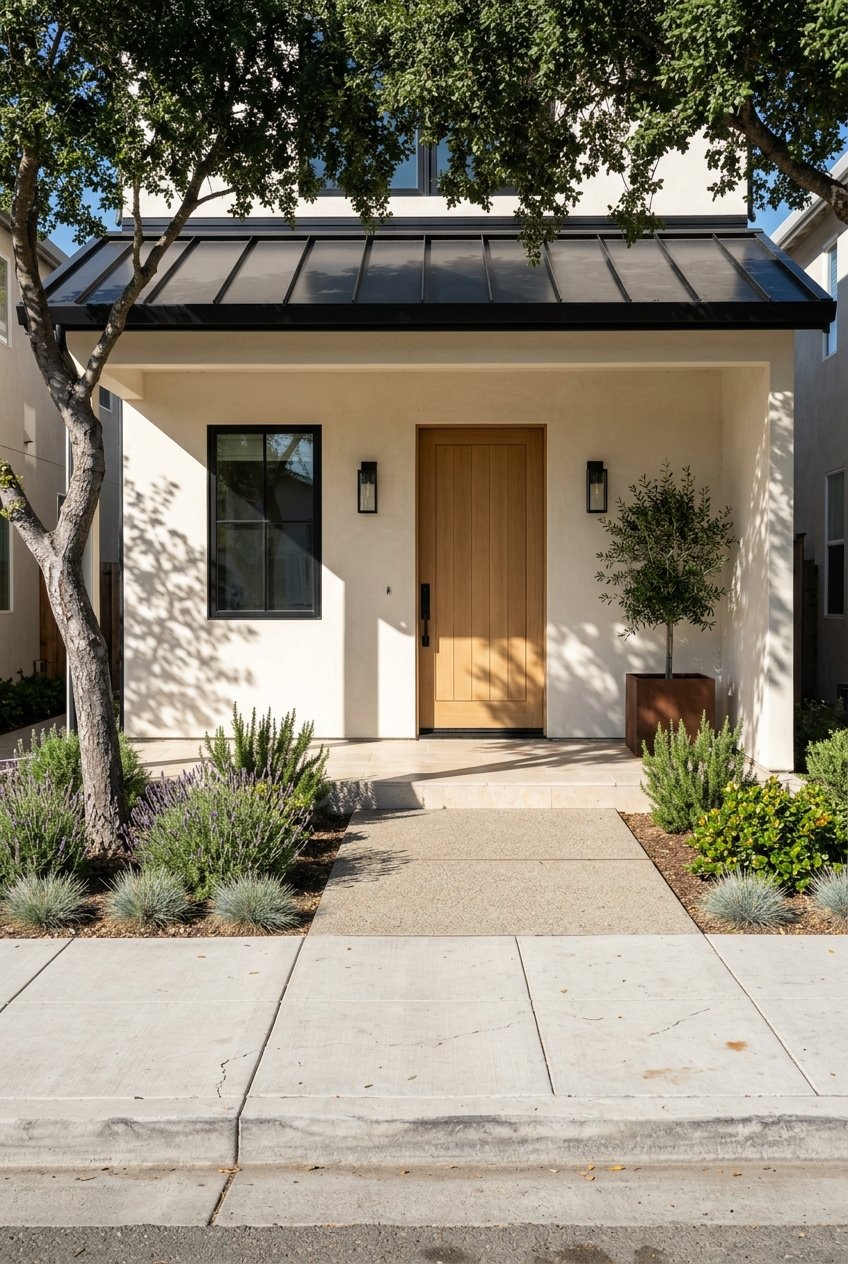
Explore Walkable Pleasant Hill Homes Near Downtown and BART
June 4, 2026
June 4, 2026
If you want a Pleasant Hill lifestyle where coffee, dinner, errands, and transit are all closer at hand, location matters more than ever. Many buyers love the idea of a more connected routine, but it can be hard to tell which parts of Pleasant Hill actually feel walkable day to day. This guide breaks down where Pleasant Hill’s most walkable areas are, what daily life looks like there, and what to know if living near downtown or BART is on your list. Let’s dive in.
Pleasant Hill’s most walkable pockets are concentrated in two areas: the downtown district around 105 Crescent Drive and the Pleasant Hill / Contra Costa Centre BART area along Treat Boulevard. City materials describe downtown as a deliberate mixed-use, pedestrian-oriented center, and county planning describes the station area as a mixed-use residential, employment, and retail district.
That distinction matters when you start your home search. If your goal is to be near restaurants, services, entertainment, and transit, these are the areas worth focusing on first. Outside these pockets, Pleasant Hill becomes more car-dependent, with more traditional residential patterns.
Downtown Pleasant Hill was designed to feel more urban than much of the rest of the city. City history materials note that the original project centered on a large commercial core with shops, restaurants, a theater, a hotel, and a small townhome component.
Today, that design still shapes how the area functions. You can find specialty shopping, dining, and entertainment in an outdoor setting, which gives the district a more connected, easy-to-navigate feel for everyday outings.
The official downtown directory lists a wide mix of businesses and everyday stops. Current dining and entertainment options include Jack’s Restaurant & Bar, Cantina Jack’s, Urban Plates, Morgan Territory Brewing, Haya Ramen, Chipotle, Five Guys, Peet’s Coffee, Paris Baguette, Cold Stone Creamery, and Century 16 DPH and XD.
For many buyers, that means a simple routine is possible. You may be able to step out for coffee, meet friends for dinner, catch a movie, or run a quick errand without needing to drive across town every time.
Walkability is not only about sidewalks and storefronts. It is also about having places where daily life naturally happens.
In Pleasant Hill, the City Hall complex helps support that rhythm. The grounds include a pond, fountain, and lawn, and the city’s events page lists recurring programming such as the farmers market, Off the Grid food-truck nights, a Night Market, and a summer concert series.
For buyers who care as much about commuting as they do about nearby dining and services, the Pleasant Hill / Contra Costa Centre BART area is another major draw. This area connects housing, employment, retail, and regional transportation in a way that is hard to replicate in many suburban settings.
One important detail is geography. Although many people call it Pleasant Hill BART, the station at 1365 Treat Blvd. is in Walnut Creek, within the broader Contra Costa Centre and unincorporated area adjacent to Pleasant Hill.
BART notes that buses, Highway 680, and the Iron Horse Trail all converge at the station. The station is served by the Antioch-to-SFIA/Millbrae line, which makes it a practical hub for many East Bay commuters.
The station also offers paid parking and strong bike support, including racks, a bike station, and lockers. If you want options beyond driving, that kind of built-in infrastructure can make a real difference in your daily routine.
County Connection lists multiple routes serving the station and nearby destinations. Current routes include 9, 14, 15, 18, 19, 314, 316, and 320, with connections to places such as Shadelands, Monument Boulevard, Diablo Valley College, Sun Valley Mall, Walnut Creek BART, Concord BART, and Martinez Amtrak.
This gives you more flexibility if you want to reduce car trips or simply keep more transportation options available. Planning documents also highlight the area’s long-term focus on bicycle and pedestrian connections, including the Iron Horse corridor and improvements near the Treat Boulevard and I-680 overcrossing.
If you picture walkable living in Pleasant Hill, the housing mix may look different from what you find in quieter residential sections of town. The most walkable areas tend to have a more mixed housing pattern rather than one single home style.
Planning materials show that downtown included 36 townhomes, while Contra Costa Centre was planned as a mixed-use district with residential, employment, and retail uses. County planning also describes the area as ranging from low-density single-family homes to very high-density multi-family homes and BART-oriented mixed-use development.
In practical terms, buyers looking for a walkable lifestyle are often drawn to condos, townhomes, and apartment-style communities in or near the downtown and transit-oriented core. A current proposal next to the station for a 284-unit apartment community reinforces that direction.
If your priority is a detached single-family home, you will usually see more options as you move farther from downtown and the station area. That does not mean you have to give up convenience, but it often means balancing home type, lot size, and driving distance to walkable amenities.
One of Pleasant Hill’s advantages is that a more connected, mixed-use lifestyle does not mean losing access to parks and open space. City planning materials identify about 180 acres of parkland within the city, plus almost 370 acres of open-space areas in the northern and western parts of town.
That broader setting can be appealing if you want a home base near downtown or transit while still enjoying outdoor time on weekends or after work. Pleasant Hill’s listed park and open-space assets include Pleasant Hill Park, Pleasant Oaks Park, Chilpancingo Park, Paso Nogal’s dog park and hiking trails, and Dinosaur Hill Park.
Walkable living is not one-size-fits-all. For some buyers, it means being able to walk to restaurants and community events. For others, it means easier BART access, better bike connections, or a shorter path to daily errands.
Pleasant Hill offers a version of that lifestyle, but it is most concentrated in a few specific areas. If you want the strongest mix of dining, entertainment, events, and transit access, downtown Pleasant Hill and the Contra Costa Centre station area are usually the clearest places to start.
When you tour homes near downtown or BART, it helps to think beyond the listing itself. Ask yourself:
Those answers can help narrow the search quickly. In Pleasant Hill, lifestyle fit often comes down to choosing the right pocket, not just the right property.
If you are weighing your options in Pleasant Hill or nearby Contra Costa County communities, local guidance can help you compare home types, locations, and long-term value with more confidence. Connect with Russ Darby to talk through your goals and explore the Pleasant Hill market with a seasoned local perspective.
Stay up to date on the latest real estate trends.


Put our experience to work for you.